
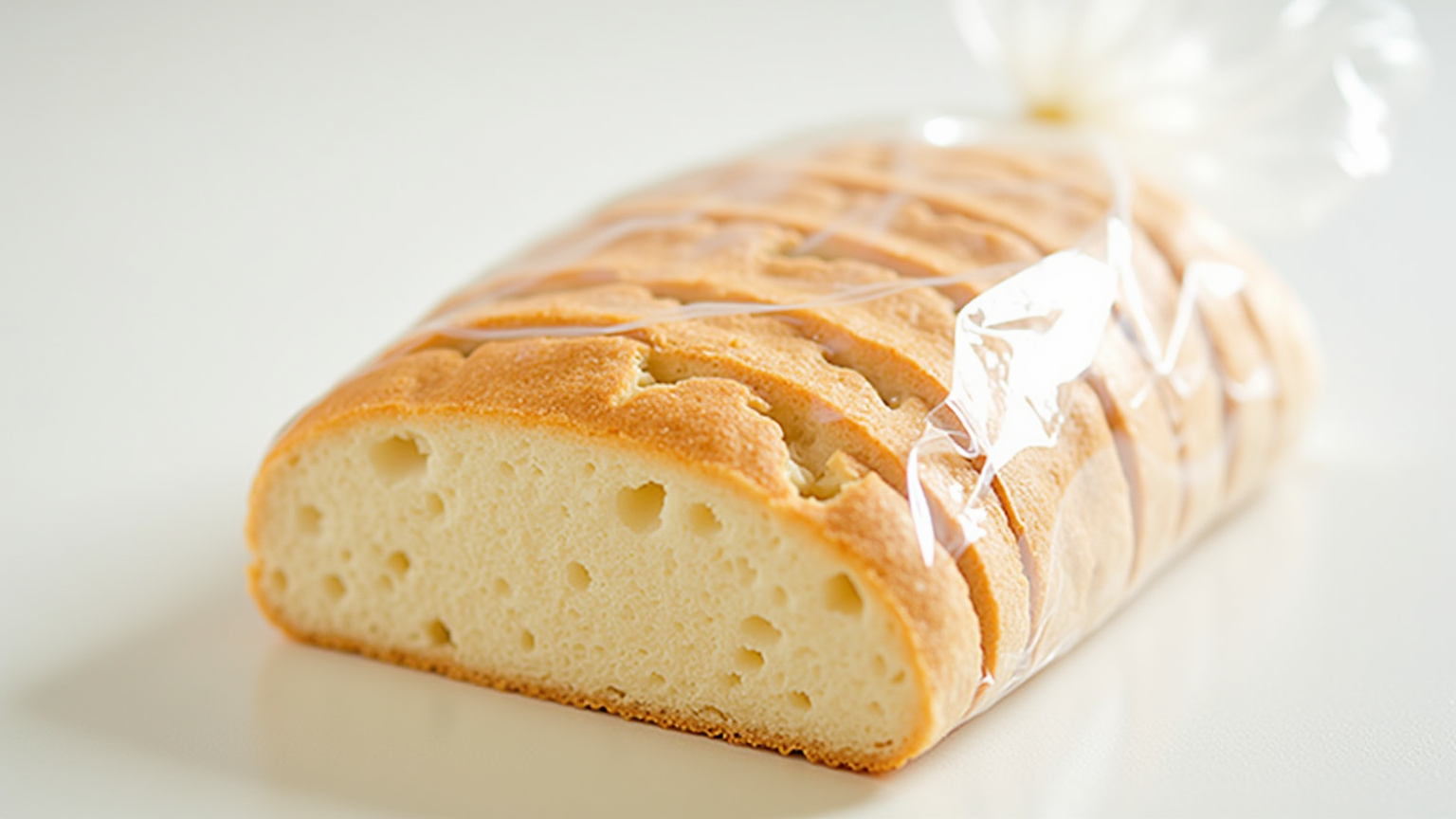
In recent times, pre-sliced bread has gained immense popularity in supermarket bakery sections. The convenience and time-saving aspect of buying pre-packaged sliced loaves or baguettes have made them a preferred choice in today’s fast-paced life. However, experts caution that this type of bread could pose potential health risks.
Sliced bread tends to spoil faster due to the increased surface area, which provides more opportunities for mold growth. Additionally, manufacturers often add preservatives like ascorbic acid and ethyl alcohol to prolong shelf life and improve appearance, which can be harmful with regular consumption.
Over the years, the bread-making process has seen significant changes, leading to a decline in its quality. Modern bakery products often contain chemical additives like leavening agents and margarine, making them less beneficial. A gastroenterologist advises against using stale bread for making croutons, as the grain quality and nutrient content have deteriorated over time.
White bread, made from high-grade flour, is low in fiber and vitamins. It’s crucial to note that white bread usually has a high glycemic index and may contain margarine, which is not beneficial for health. On the other hand, black bread, primarily made from rye flour, is healthier. It is rich in fiber, B vitamins, calcium, iron, and other trace elements, aiding digestion and toxin removal. Black bread also has fewer calories than white bread.
However, even the healthiest bread needs to be stored correctly. Many people mistakenly store bread in the refrigerator to keep it fresh, but this can lead to staleness due to moisture evaporation. Instead, bread should be kept at room temperature or in the freezer if necessary. Experts also recommend using special bread storage bags that help maintain freshness and nutritional properties for an extended period. These bags are made of several layers of fabric and perforated polyethylene, preventing mold growth and keeping the bread soft.
