
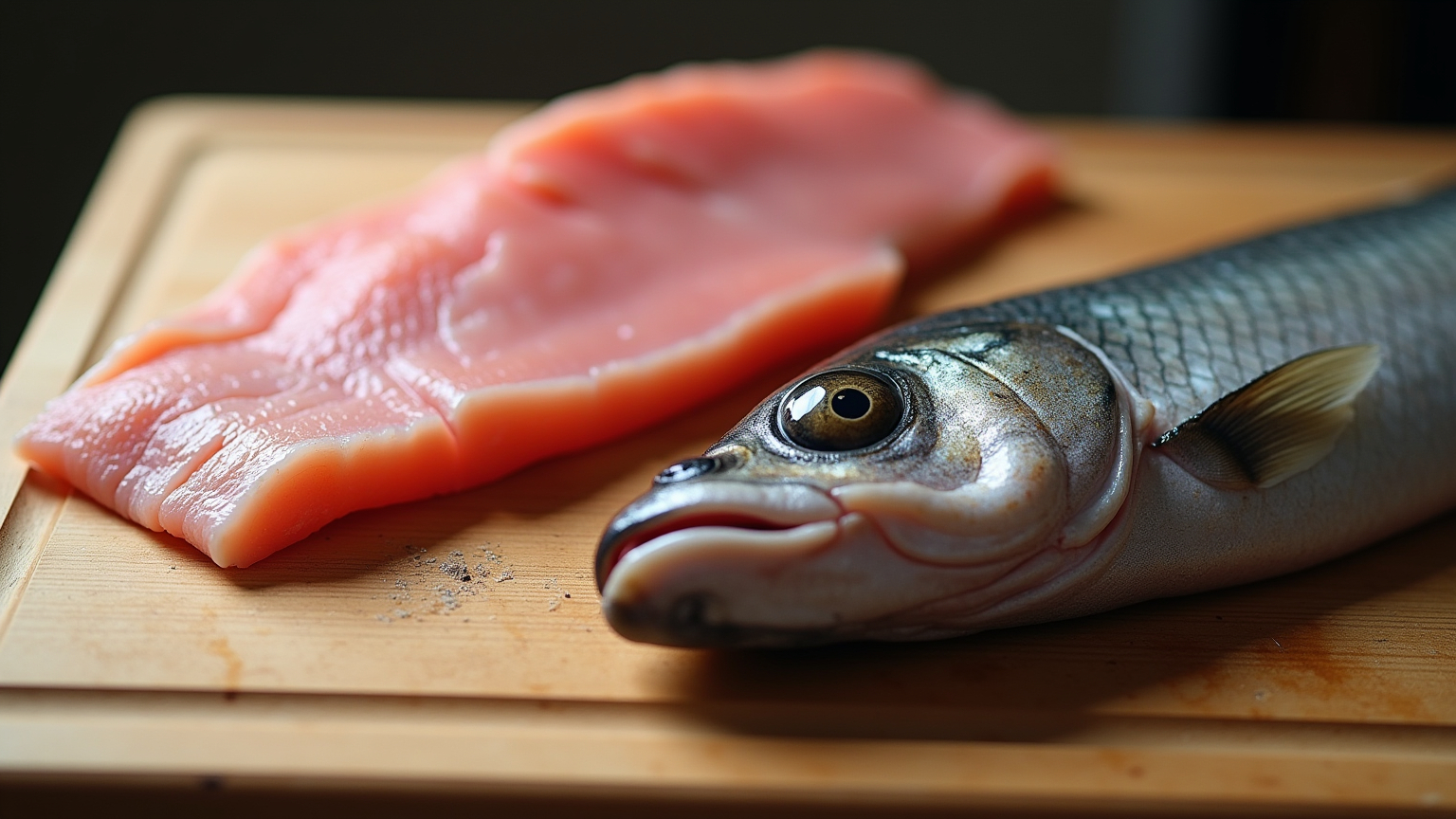
The misconception that pricier fish equates to superior quality can be quite deceptive. Exotic species, now readily available in grocery stores, often fail to live up to their price tag and can even pose serious health risks. This isn’t exclusive to rare species; even common fish can be hazardous if improperly processed or tainted with toxins. Here are ten types of fish that are better to avoid.
Smoked mackerel, loved for its flavor and fat content, contains high mercury levels. The smoking process amplifies its toxicity, making it a significant health risk. Moreover, improperly smoked fish often carry carcinogens, increasing cancer risks. Vacuum-packed salmon loses all its beneficial properties, and the anaerobic environment turns it harmful. Many manufacturers add preservatives to prolong its shelf life, leading to a buildup of chemicals in the body that can trigger allergies and digestive issues.
Store-bought cod is often fake or farmed with harmful substances due to the Atlantic population’s depletion. Most cod comes from farms where they are fed artificial additives and antibiotics to speed up growth and prevent diseases, making the fish unsafe for human consumption. Pangasius, popular for its affordability, resides in the polluted Mekong River and accumulates mercury, furacilin, and phosphates. In unfavorable ecological conditions, this fish becomes a source of many toxic substances that can cause poisoning and long-term health problems.
Chilean sea bass, despite being exotic, is dangerous due to mercury, and its overfishing disrupts the ecological balance, further worsening the situation. Pacific sea bass from northern waters contains cadmium, manganese, and mercury, making it unsafe. Its flesh becomes saturated with these elements due to water pollution, and regular consumption can lead to toxin accumulation in the body. Catfish, often loaded with harmful substances due to hormonal supplements, is given antibiotics and chemicals to promote rapid growth in farm conditions. However, this negatively affects the meat quality, creating potential health risks.
Halibut, a delicacy in taste, is dangerous due to its declining numbers and pesticide content. The fish accumulates these substances from the use of pesticides and fertilizers in agriculture that enter the water. Tilapia, which feeds on bottom trash, can trigger heart attacks and liver disorders. Its waste-based diet leads to the accumulation of harmful substances in its flesh, making it dangerous for regular consumption. Eel, popular in Japanese cuisine, contains many toxins. Additionally, eels often inhabit polluted waters where they absorb heavy metals and chemicals, further increasing their danger to humans.
