
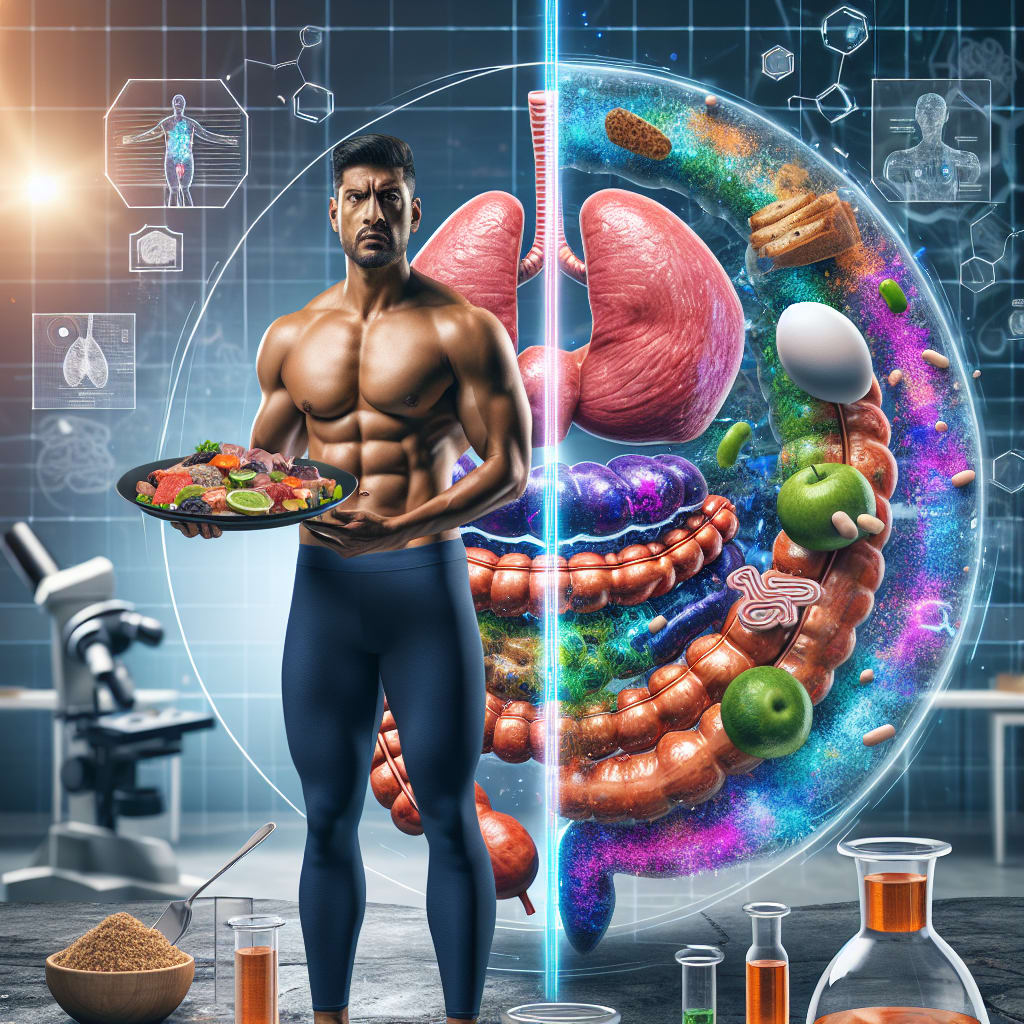
A recent study has shown that high-protein diets can significantly influence the gut microbiome, affecting weight and body composition. The gut microbiome is a complex community of microorganisms in our digestive system that affects almost every aspect of our health, from digestion and immune function to metabolic processes and body weight. As diet plays a significant role in shaping the composition and diversity of gut microorganisms, it has become increasingly important to understand how our food choices impact the gut ecosystem.
Researchers from the University of Illinois investigated the diversity of the gut microbiome and body composition in a recent study on mice. They found that switching from a carbohydrate-based diet to various high-protein diets in mice led to a significant weight loss, reduced body fat, and rapid changes in the composition of the gut microbiome.
An experimental study was conducted for four weeks involving 16 mice. The mice were initially fed a regular carbohydrate diet for two weeks, followed by four distinct groups of protein diets: standard protein diet, 10% aromatic amino acids, 10% branched-chain amino acids, 5% aromatic amino acids, and 5% branched-chain amino acids.
The study found that the gut microbiota responds differently to different diets, showing significant changes from carbohydrates to four different protein diets. The researchers used machine learning to predict the protein diet that the mice were consuming with 97% accuracy.
Furthermore, the study showed that a combination of 5% branched-chain amino acids with 5% aromatic amino acids resulted in the lowest body weight, while a diet with 10% aromatic amino acids had the lowest percentage of fat mass, but the highest increase in weight.
The results suggest that the type of gut microbiome that metabolizes the diet is more important than the type of diet itself, as the metabolism of the gut microbiome has the greatest impact on the host’s body composition. Further research is needed to confirm whether protein diets cause all the observed changes in body composition and gut bacteria in mice.
Alysa Simpson, a registered dietitian and certified gastrointestinal nutritionist, also suggests that changes in the gut microbiota can significantly influence body composition and weight loss by altering the efficiency with which calories are extracted from food.
Simpson suggests that a higher ratio of certain bacteria can enhance calorie absorption, potentially contributing to weight gain. In addition, certain bacteria produce lipopolysaccharides that can promote inflammation and fat accumulation, while beneficial bacteria can maintain the integrity of the intestinal barrier and regulate appetite through the production of hormones and neurotransmitters.
Simpson suggests that plant-based protein diets can improve human gut health and body composition. These diets support beneficial bacteria and regular bowel movements, are generally lower in calories and saturated fats compared to animal-based diets, and can help manage weight and reduce body fat.
These are rich in dietary fiber, which promotes the growth of microbial species that ferment fibers into beneficial metabolites, such as short-chain fatty acids. Simpson also recommends food sources of amino acids such as glutamine and arginine, which help maintain a robust intestinal barrier and prevent harmful substances from entering the blood.
To improve the gut microbiome, Simpson recommends a variety of plant-based foods, such as fruits, vegetables, nuts, seeds, whole grains, and legumes. A moderate intake of protein is also recommended to maintain muscle and metabolic health without excess unhealthy fats.
Samson Adejumo plans to conduct functional analyses and mechanistic experiments to improve overall health. Researchers plan to formulate diets with individual amino acids to understand the effect of individual amino acids on the diet and to identify specific gut microbial strains involved in protein fermentation. Learning how the fermentation of dietary proteins affects gut bacteria could inform the creation of personalized diets that modify the gut microbiome to promote better health and weight management outcomes.
This concept of personalized nutrition is promising for wider integration into healthcare practices, potentially revolutionizing dietary advice for optimizing health outcomes in various populations.
