
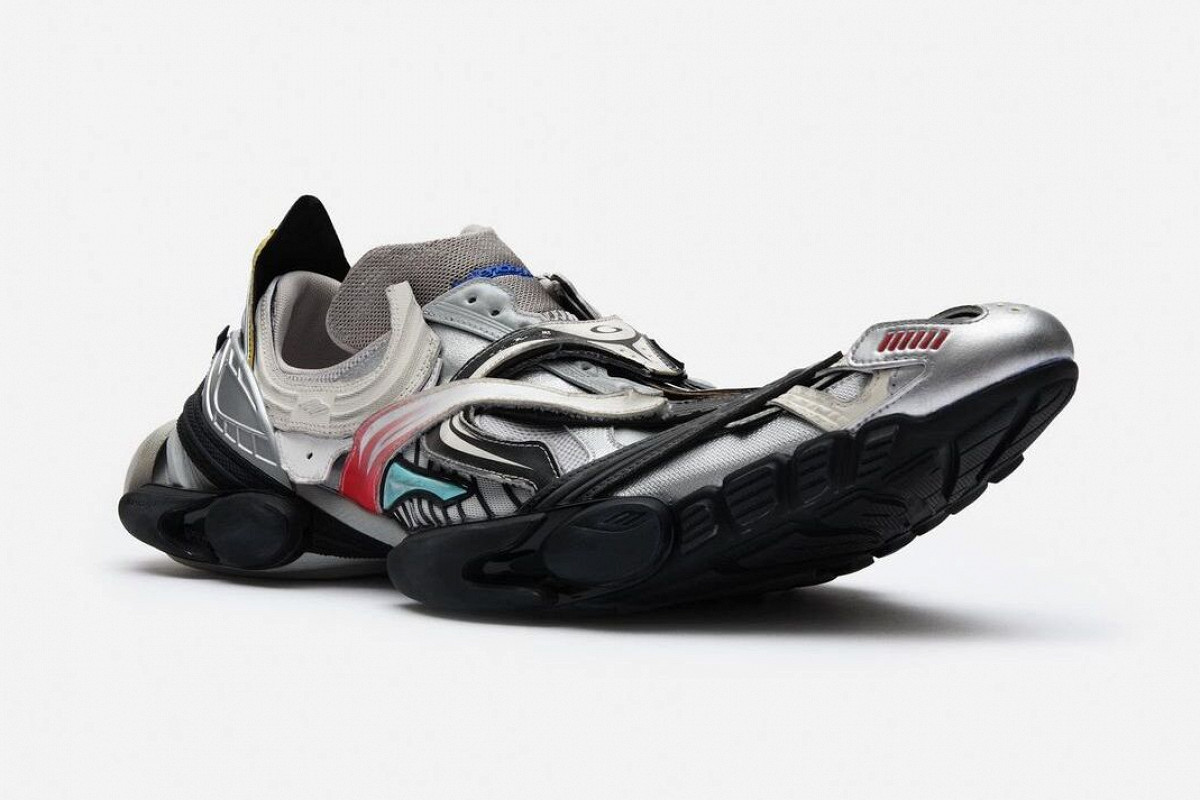
Famous luxury brands have massively reduced the prices of their products sold in China, due to the fear of increasing stocks they have, as the Chinese are reducing their purchases. Balenciaga has reduced prices in China by up to 35%.
Starting from this month, Chinese buyers can purchase an Hourglas Balenciaga bag for $1,947, a 35% reduction from the price listed on the company’s official website. Balenciaga, part of the French luxury goods group Kering SA, introduced an average discount of 40% on the items put up for sale in three of the first four months of 2024, according to sources close to this file, who wished to remain anonymous. In addition, the Balenciaga brand has doubled the number of discounted products offered on the Tmal platform, which in the period from January to April represented more than 10% of its products on this platform, the sources added.
Compared to the same period last year, Balenciaga offered discounted products only in January, and only at an average of about 30%, and in the first four months of 2020 did not offer any price reductions, the sources added.
A similar trend can be recorded at other luxury brands. Versace, Givenchy and Burbery Group have all cut prices, some even in half, on Tmal or other Chinese platforms this month. The average discount introduced by Versace has risen from about 40% at the beginning of 2023, to over 50% this year, according to sources quoted by Blomberg.
Also, Versace and other luxury brands have offered discounts for longer periods of time this year compared to 2023, the sources emphasized. The number of products put up for sale has risen to several hundred in the first four months of this year, from a few last year, the sources added.
This price war would have been unthinkable a few years ago for brands whose growth is based on the image of exclusivity and products that retain their value over time. It is also rare to see luxury brands, which normally try to eliminate stocks in mall stores or through private sales, offer such large discounts and focus their sales on e-commerce platforms.
«What I think is surprising and frankly, uninspired, is that these discounts are offered in the most visible place for consumers in the world, which is Tmal. It’s like organizing public sales on Fifth Avenue or Champs-Elyses,» says Jacques Roizen, China consulting director at Digital Luxury Group.
The strategy highlights the problems facing major luxury houses on the mainland China market, at a time when the slowing economy is eroding household wealth. While luxury brands rely on China to increase their revenues and improve their performance, China’s middle class, a pillar of the global luxury market, is becoming increasingly austere, postponing purchases or completely giving up major purchases.
The decline in demand on the Chinese market has already affected the sales of some luxury goods manufacturers. The Kering Group warned in April that it is possible that profit for the first half may fall by up to 45% annually, due to weak sales of the Guci brand in China. Also, the share price of Burbery has halved in the last year, due to weak demand from China and the USA.
However, brands at the top of the luxury market, including Hermes International SCA, Chanel and Louis Vuiton, seem to be doing better. These brands have eliminated discounts, limited exposure on the e-commerce segment and focused on cultivating ultra-wealthy customers, which makes them more immune to the economy.
